
Common Noises That Signal a Garage Door Spring Replacement
- COMMERCIAL GARAGE DOOR REPAIR
- GARAGE DOOR OPENER INSTALLATION
- GARAGE DOOR SPRING REPAIR
- SAME-DAY GARAGE DOOR REPAIR
- CUSTOM GARAGE DOOR
- GARAGE DOOR OPENER REPAIR
- GARAGE DOOR TRACK REPAIR
- GARAGE DOOR CABLE REPAIR
- GARAGE DOOR PANEL REPAIR
- LOCAL GARAGE DOOR REPAIR
- GARAGE DOOR REPLACEMENT
- NOISY GARAGE DOOR FIX
- GARAGE DOOR INSTALLATION
- GARAGE DOOR SECTION REPLACEMENT
- OVERHEAD GARAGE DOOR REPAIR
- GATE REPAIR
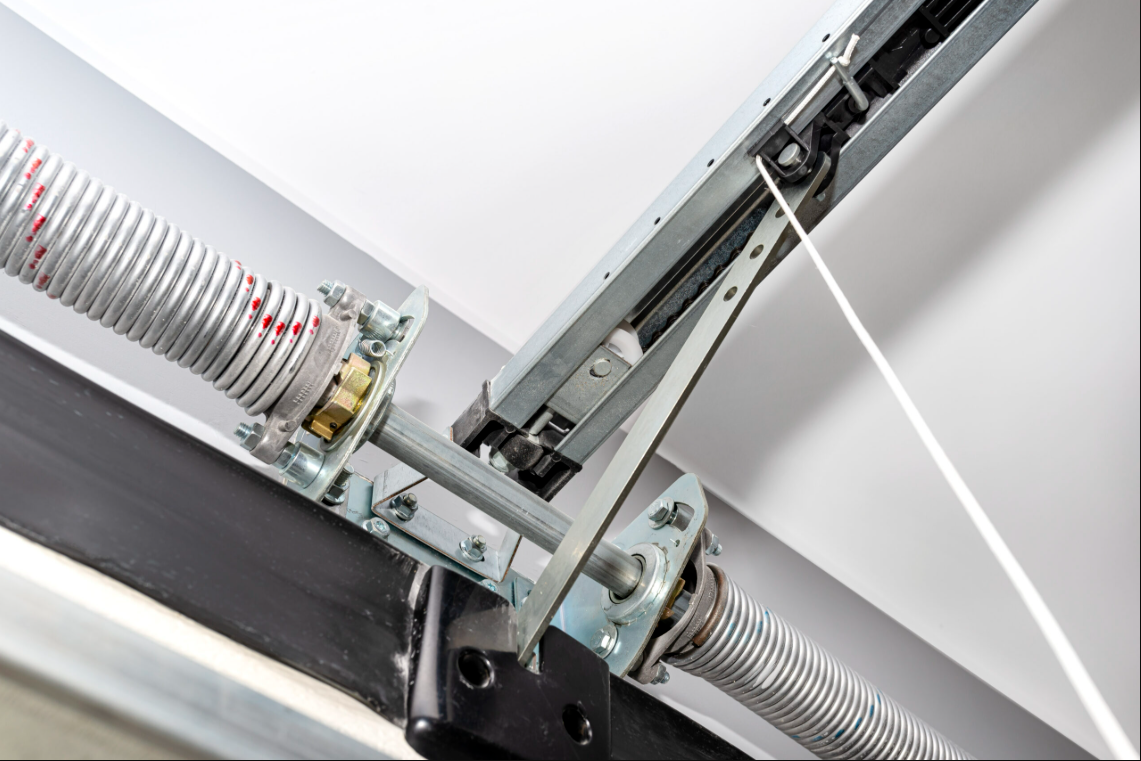
Common Noises That Signal a Garage Door Spring Replacement
Your garage door relies on high-tension steel coils to offset its immense weight, but these parts eventually succumb to metal fatigue. When springs begin to fail, they rarely do so in silence; instead, they emit specific sounds that warn of an impending breakage.
Recognizing these auditory cues allows you to schedule a garage door spring replacement before the door becomes stuck or poses a safety risk. The specialized technicians at Garage Door Repair Nokomis FL can perform a safety inspection to determine if your springs are nearing the end of their lifecycle. A proactive approach saves you from the frustration of a trapped vehicle and prevents the collateral damage that occurs when a motor tries to lift a dead-weight door.
The "Gunshot" Snap: Identifying a Catastrophic Break
The most unmistakable sound is a sudden, violent “bang.” Torsion springs store massive energy that releases instantly when the steel coils fracture. This sound often echoes through the entire house, mimicking a heavy impact or a fallen crate.
If you hear this, do not use the electric opener. Without the spring’s counterbalance, the door weighs between 150 and 400 pounds. Forcing the lift will strip internal gears or burn out the motor. Check the spring above the door header for a visible gap in the coils.
Grinding and Squeaking: Metal Fatigue
Not every failure starts with a bang. Warning signs often include persistent grinding or high-pitched squeaking. These noises mean coils are rubbing together or the metal has lost its elasticity.
Note: Lubrication may quiet the noise, but it cannot fix structural thinning of the steel.
Straining and Laboring Motor Sounds
When a spring loses tension, the opener works significantly harder. You may notice a deep, labored humming instead of a smooth whir. This happens because the spring no longer provides the mechanical advantage for a smooth lift. If the motor sounds like it is struggling, the springs are likely failing.
Rhythmic Popping and Clinking
Extension springs along the horizontal tracks may produce a rhythmic popping or clinking. This signals that the spring is stretching unevenly. It can also mean safety cables are fraying and catching on the coils.
This friction causes jerky movements in the door sections. These movements put unnecessary stress on your rollers and hinges.
Addressing Wear Before Total Failure
Ignoring the sounds of a failing spring leads to more expensive repairs down the road. A door that is out of balance due to weak springs will eventually pull the tracks out of alignment or cause the cables to jump off the drums. Professional technicians use specialized tools to measure the door’s balance and determine if the springs still provide the correct amount of torque. Regular maintenance, including a balance test, ensures that you catch these issues while they are still in the “noisy” phase rather than the “broken” phase.
If your door creates a loud “gunshot” noise or exhibits persistent grinding, you need a professional garage door spring replacement to restore the safety and functionality of your home. Taking care of the problem early prevents unnecessary strain on your opener and keeps your family safe from falling doors. For residents seeking expert diagnostics and high-cycle spring installations, Garage Door Repair Nokomis FL offers precision service to quiet your garage and ensure your door operates perfectly every time.